
Applied Behaiour Analysis (ABA)
Could ABA therapy help your child with behaviour or communication?

What can ABA therapy help with?
ABA therapy focuses on understanding behaviour and teaching skills in a structured, supportive way.
- Tantrums, aggression, or self-injury
- Difficulty following instructions
- Limited communication (verbal or nonverbal)
- Challenges with daily routines (toileting, dressing, transitions)
- Social interaction difficulties
- Learning new skills (communication, play, independence)
- Repetitive behaviours or rigidity
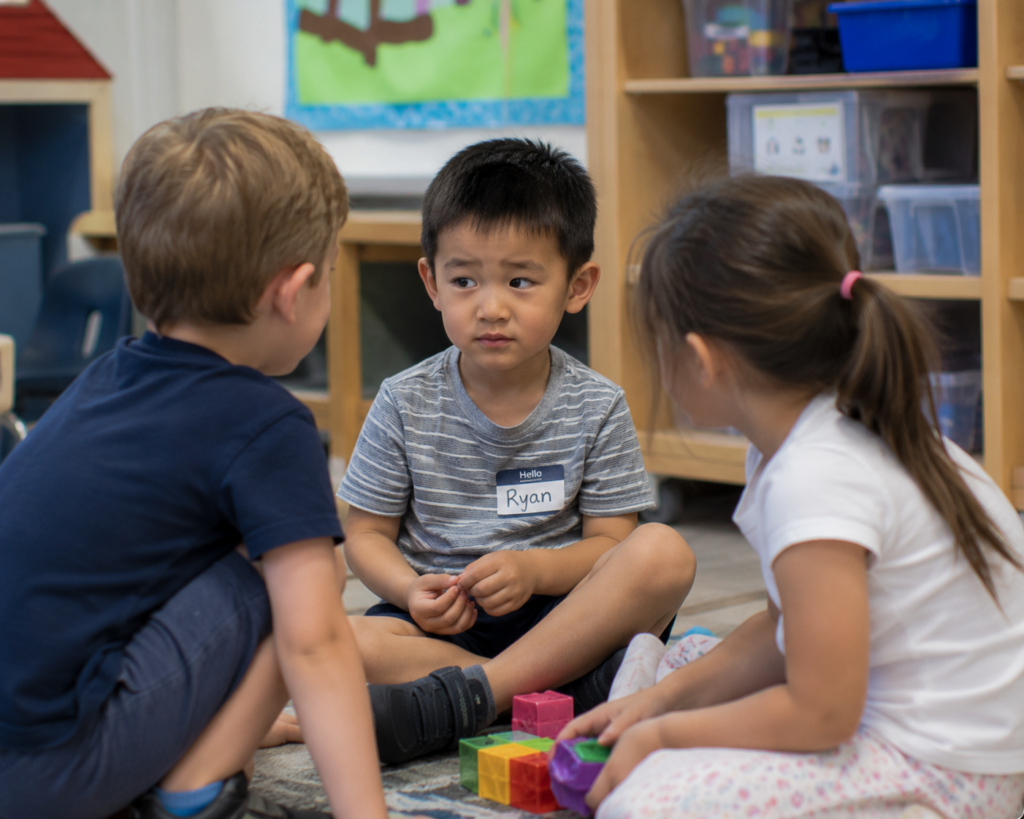
Signs your child may benefit from ABA therapy
- Has frequent or intense tantrums that are hard to manage
- Struggles with transitions or changes in routine
- Has difficulty communicating wants and needs
- Engages in behaviours that impact safety or daily functioning
- Needs support building independence (toileting, dressing, eating)
- Has been diagnosed with autism or shows similar developmental differences

You don’t need to figure this out on your own.
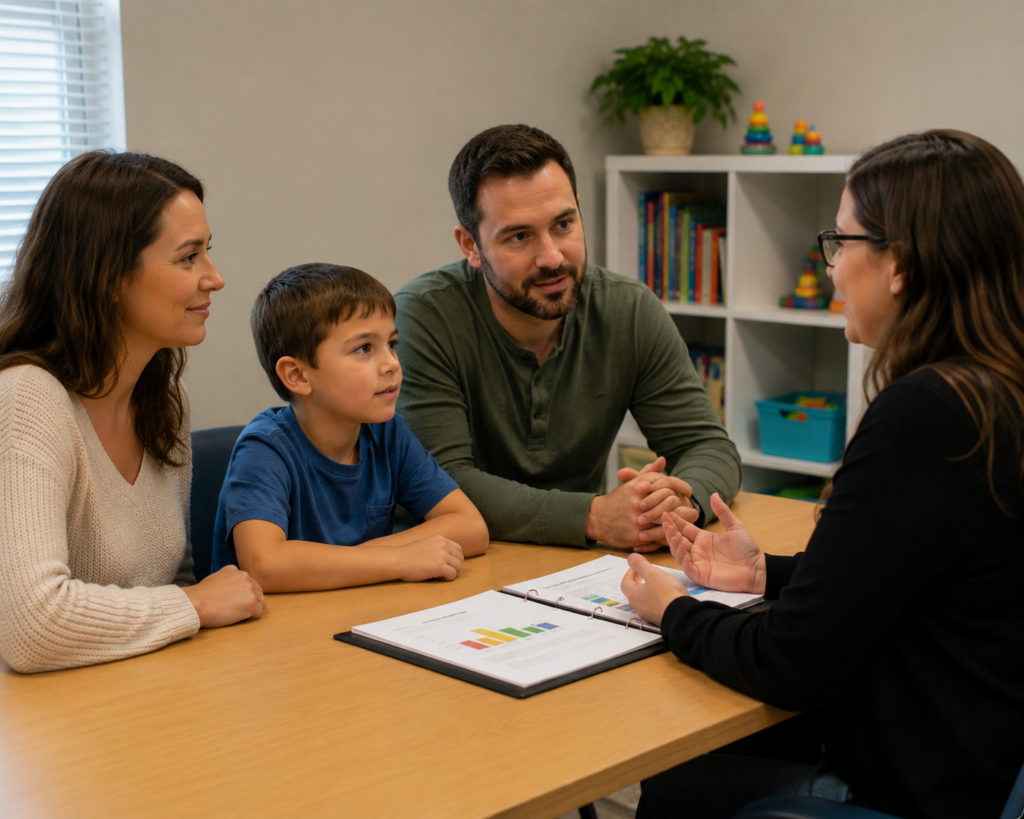
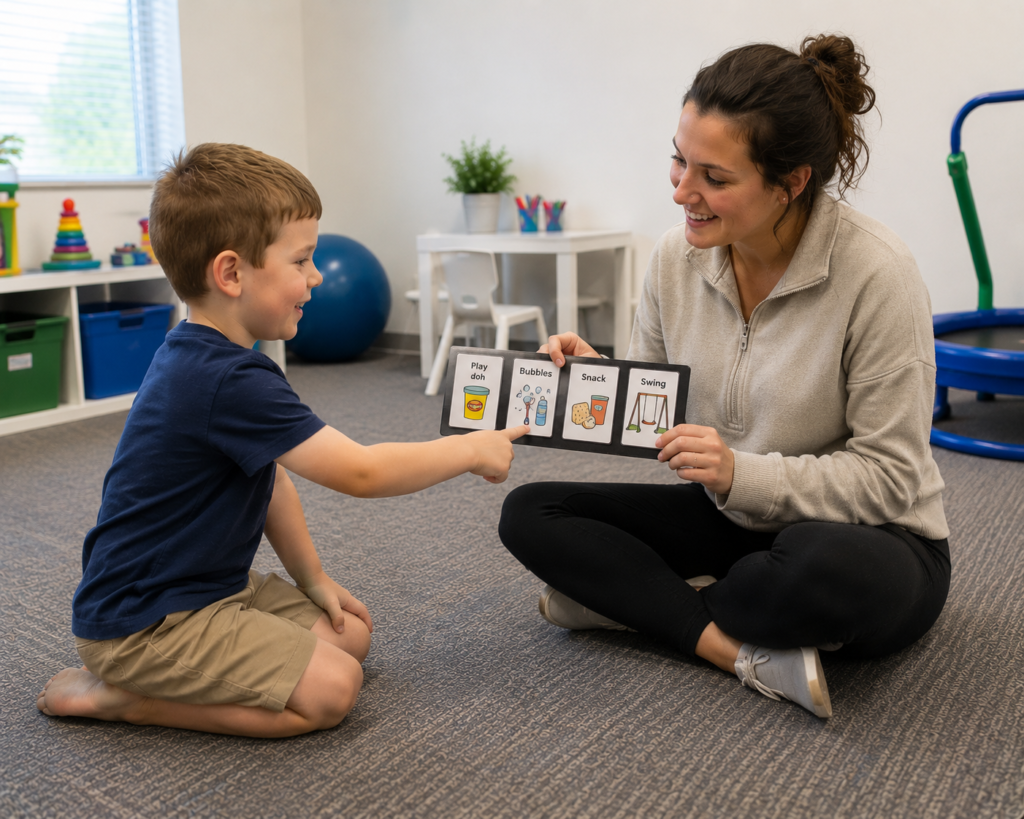
What does ABA therapy usually look like?
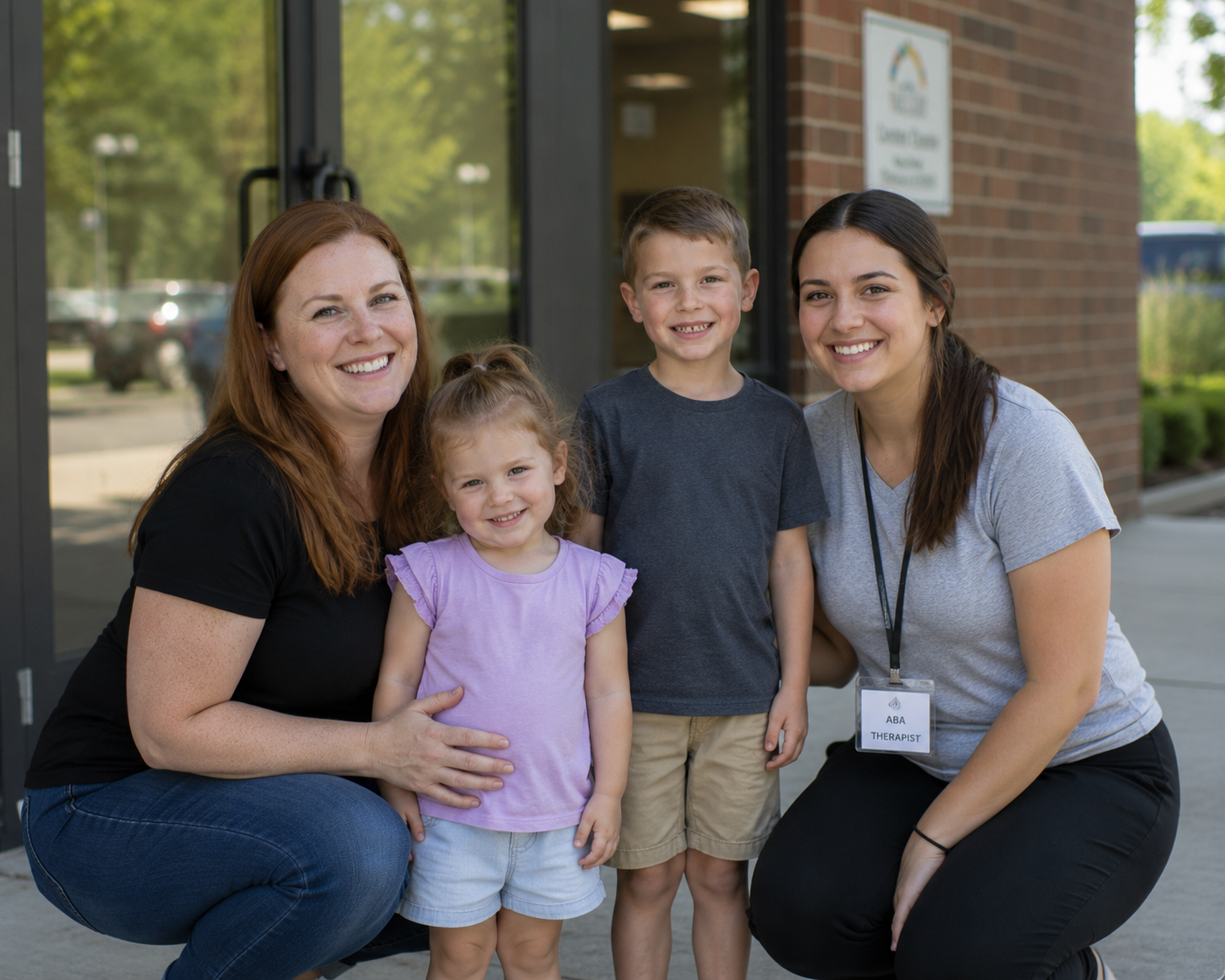
Testimonial
One Family's Experience
Before ABA, even simple things like going to the grocery store felt impossible. If we changed aisles or said no to something unexpectedly, it could turn into a full meltdown and we usually ended up leaving early. Bedtime was another huge struggle — it could take hours and everyone was exhausted by the end of the night.
What helped was that the therapists didn’t just work with our son at a table. They helped us figure out what was actually triggering things and gave us strategies we could use during real everyday moments. Slowly, things started getting easier. We could go out as a family without constantly feeling on edge, transitions became smoother, and he started communicating what he needed instead of getting so overwhelmed.
It wasn’t an instant change, but for the first time in a long time it felt like our family could actually breathe a little.”
– Parent of a 5 year old
Want help figuring out the next step?
If you’re unsure whether ABA therapy is the right fit, you can share your information below and ask to be connected with a local provider who works with children.