Do you have concerns about your child's development?
Not sure what type of support your child may need?
Many families feel unsure about where to start when looking for support for their child, especially with so many different services available. Each type of support focuses on different areas of development, and it’s not always clear which approach may be the best fit for a child’s unique needs.
Some children may benefit from a more comprehensive approach that supports multiple areas of development at once, while others may do well with more targeted services focused on specific concerns. Some families prefer to begin with an assessment to better understand their child’s needs, while others feel ready to explore therapy right away. With so many options available, the process can quickly start to feel overwhelming.
If this sounds familiar, you’re not alone. The quiz below is designed to help you better understand your child’s needs and explore possible next steps. Based on your responses, it may help identify which types of supports available in Burlington, Oakville, or Milton could be worth exploring for your child and family.
Take Our Quiz & Connect with Local Providers
Serving families in Burlington, Oakville and Milton
Not quite ready to connect with a provider? Learn more about the different types of supports available by exploring the services below.
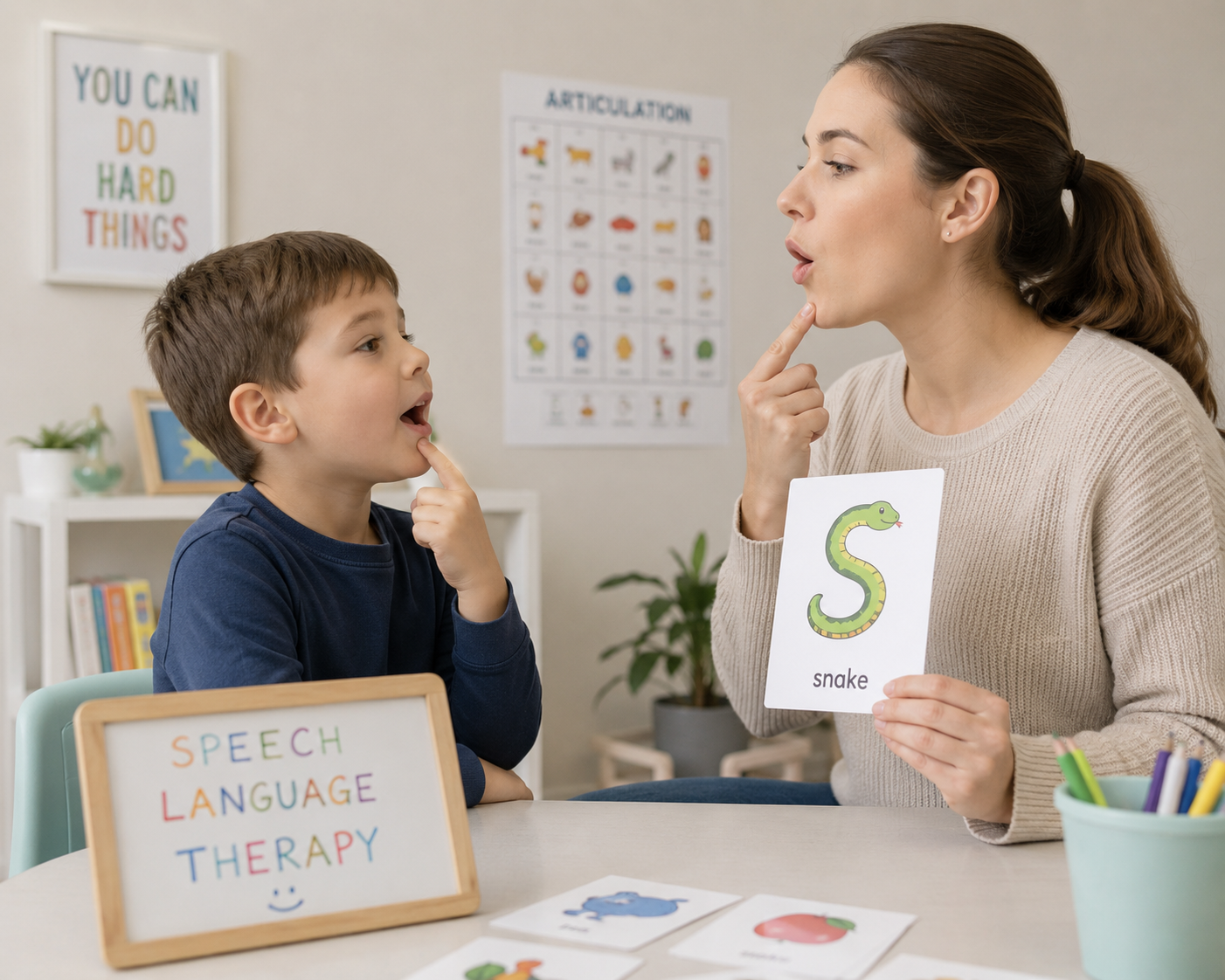
Speech-Language Therapy
Supports children with communication, speech, language, social interaction, and feeding skills to help them build confidence and communicate more effectively in everyday life.
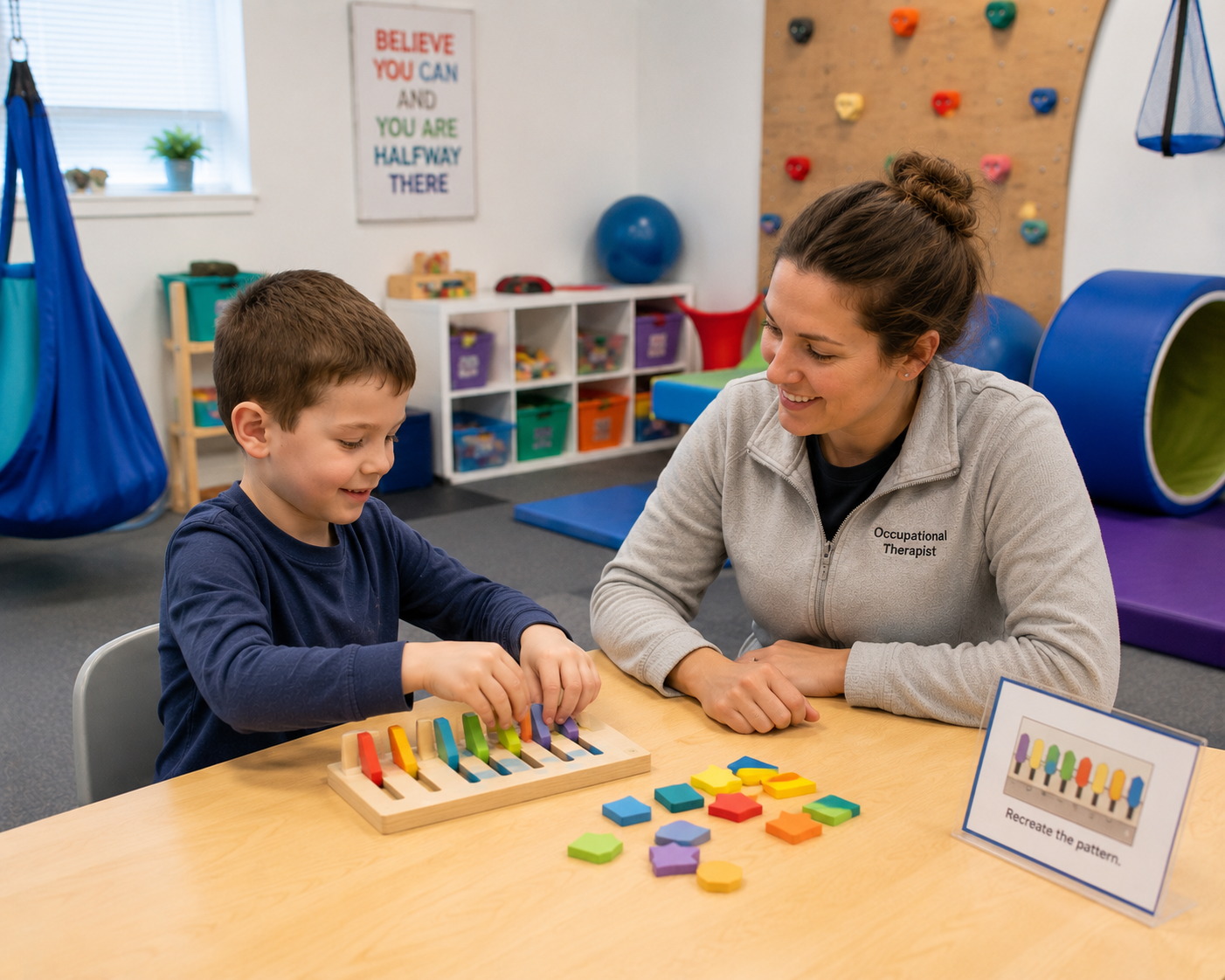
Occupational Therapy
Supports children with emotional regulation, sensory processing, motor skills, attention, and daily routines to improve independence and participation in everyday activities.
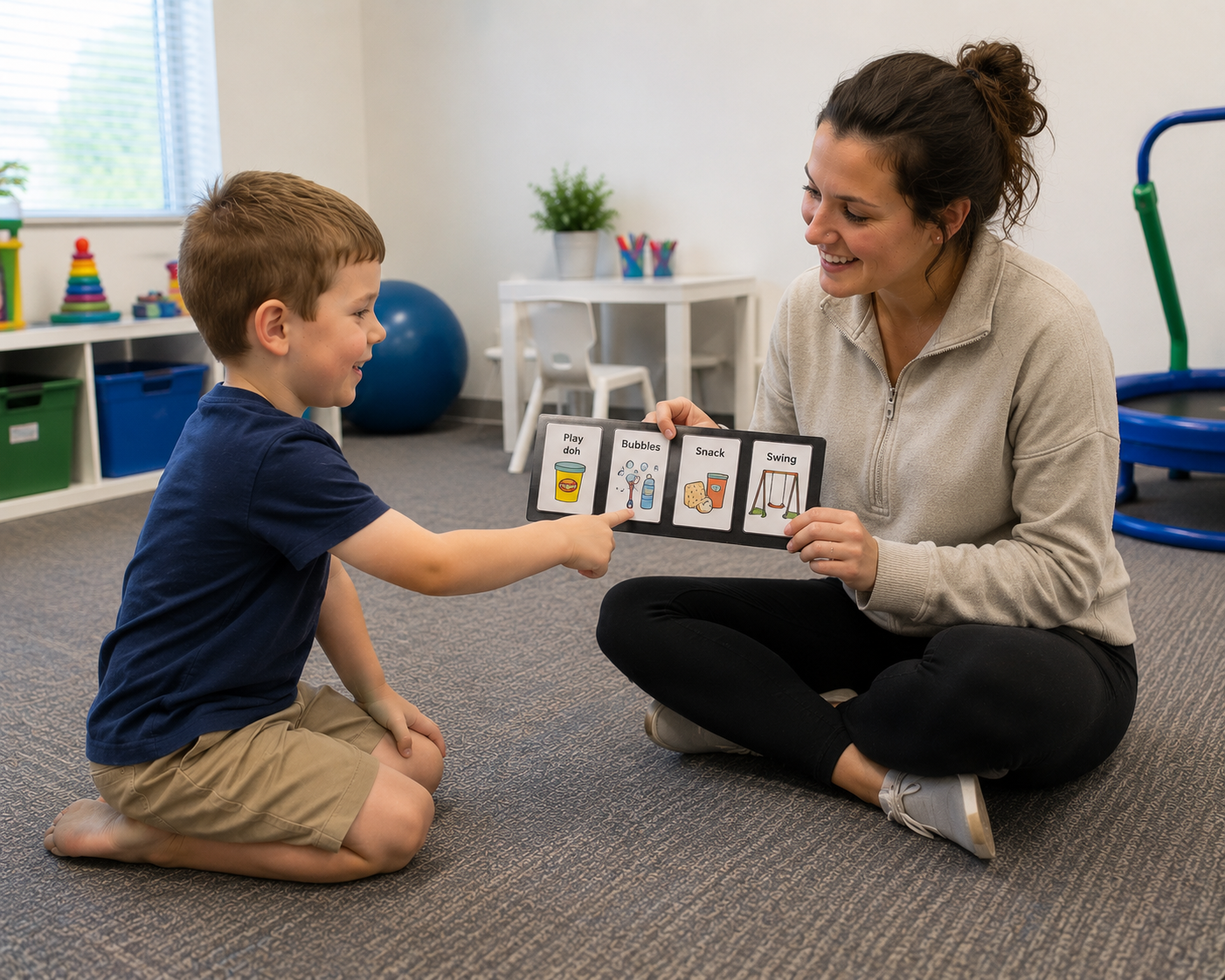
Applied Behaviour Analysis (ABA)
Helps children build communication, emotional regulation, learning, and daily living skills while reducing behaviours that may interfere with everyday functioning.
Autism or Developmental Assessment
Provides a comprehensive evaluation to better understand a child’s social, communication, behavioural, and developmental strengths and support needs.